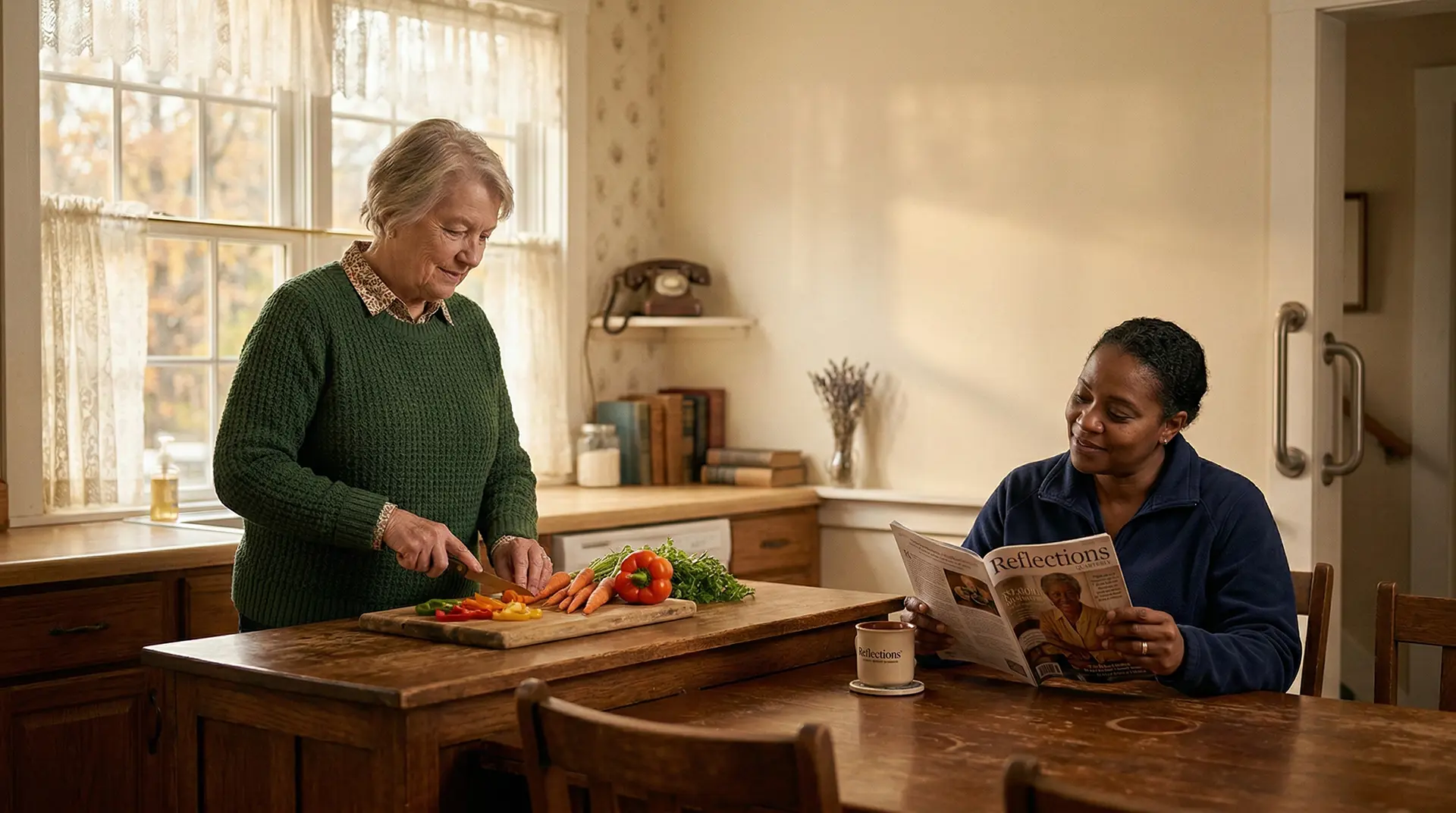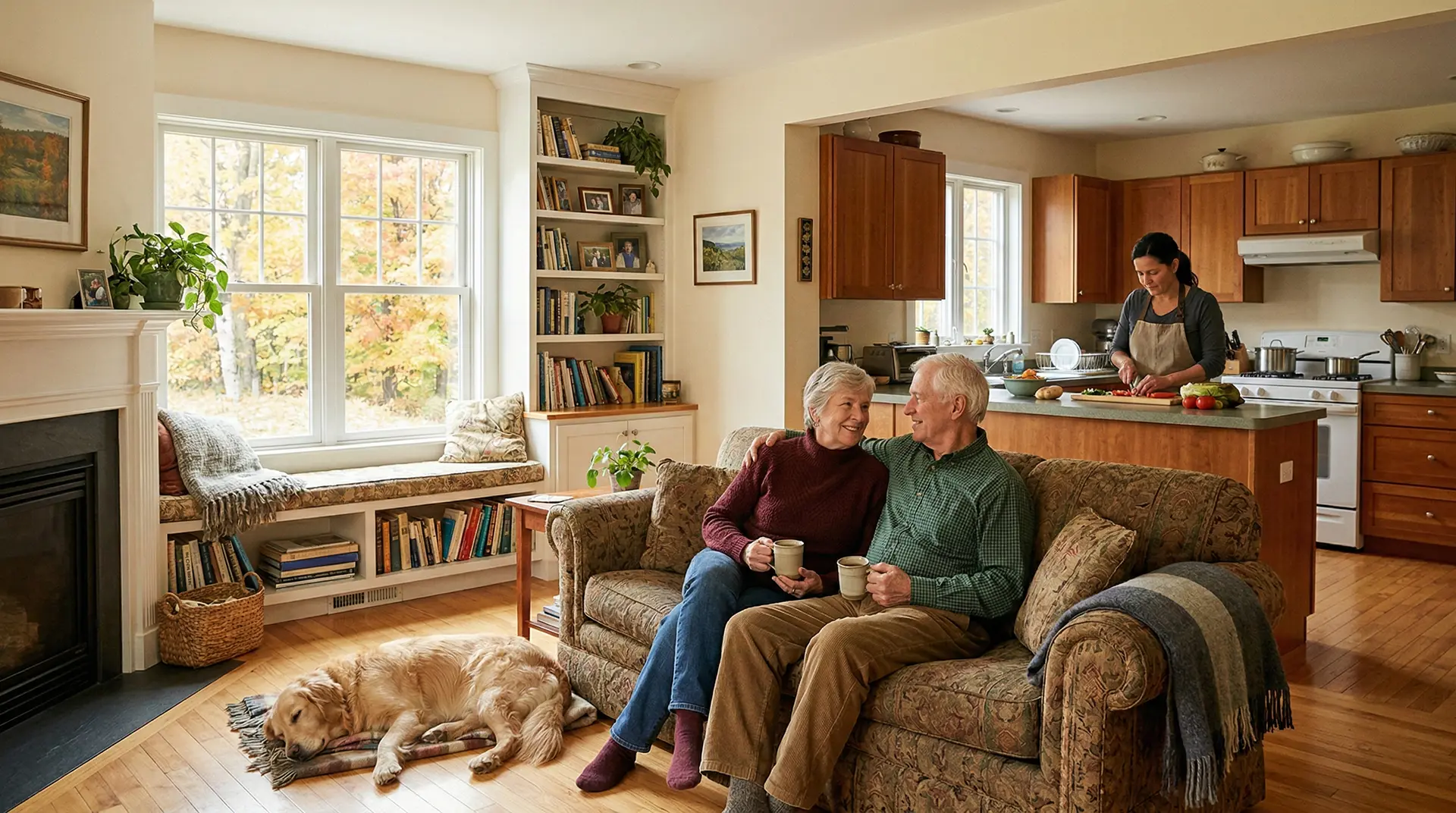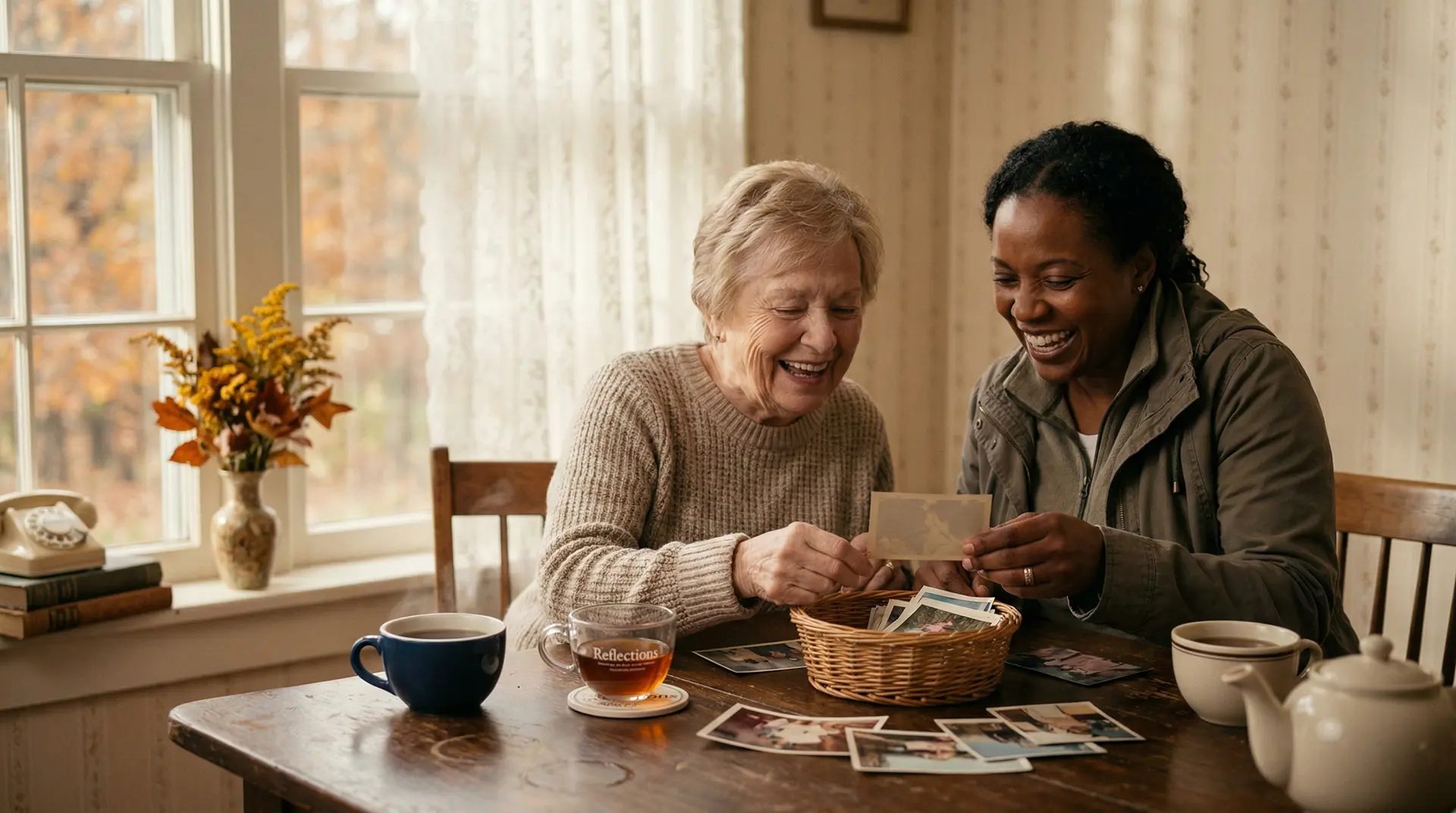
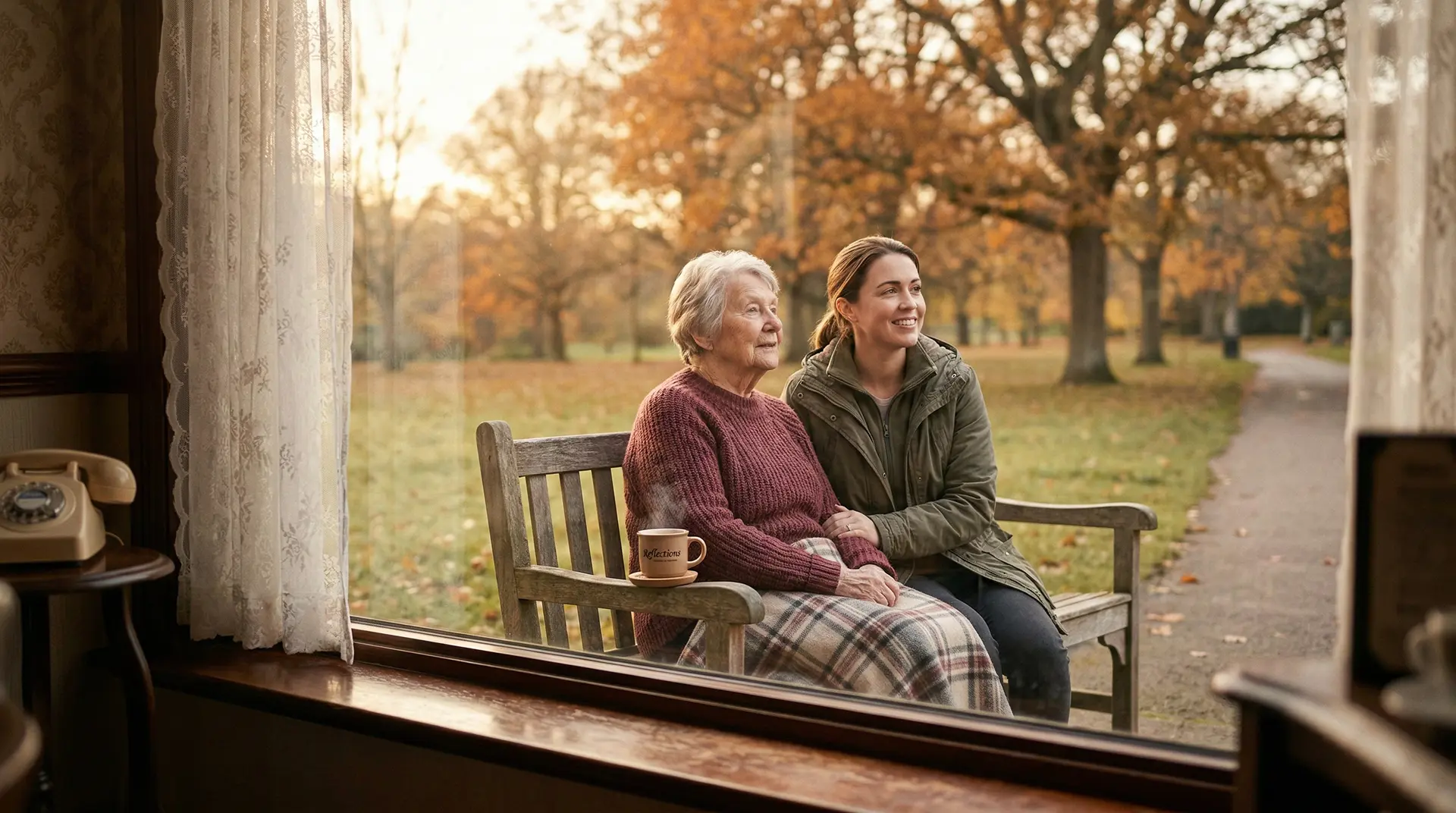
We spend a lot of time helping families understand their options, navigate the system, and find the right caregiver. But there’s a perspective that often gets overlooked in these conversations, and it belongs to the caregivers themselves.
Professional caregivers see things that families don’t. They experience dynamics that families may not be aware of. And they carry a set of hopes and frustrations that, if understood, could make the entire caregiving arrangement work better for everyone.
Here’s what caregivers consistently tell us they wish families knew.
Trust Takes Time, on Both Sides
Families often expect the caregiver to earn their loved one’s trust quickly. But trust is a two-way process. The caregiver is also building trust with the family, learning whether they’ll be respected, communicated with honestly, and supported when challenges come up.
When a family micromanages every interaction or second-guesses the caregiver’s judgment before they’ve had a chance to demonstrate it, it creates a dynamic that makes it hard for anyone to do their best work. The best outcomes happen when families give caregivers room to establish themselves, check in regularly, and address concerns through direct conversation rather than surveillance.
Small Details Make a Big Difference
Caregivers spend more one-on-one time with your loved one than almost anyone else in their life. Because of that, they pick up on subtleties that others miss.
A slight change in appetite. A new hesitancy on the stairs. Repeating a story that was told the same morning. Increased irritability or withdrawal. These aren’t things that show up on a medical chart, but they can be early indicators of change.
When caregivers share these observations, it’s not to alarm you. It’s because they want you to have the full picture. The families who listen and respond to these observations tend to catch problems earlier and make smoother adjustments.
Related reading: Signs Your Loved One May Need More Support Than You Think
The Emotional Labor Is Real
Caregiving isn’t just a series of tasks. It’s a relationship. And relationships, especially with people who may be confused, fearful, or resistant, require emotional energy.
A caregiver who spends a shift gently redirecting someone with dementia, calmly managing a bathroom accident with dignity, or patiently sitting through the same conversation for the fifth time that day is doing work that goes far beyond the physical tasks on a job description.
Acknowledging this effort, even briefly, goes a long way. A simple “thank you for being so patient with Dad today” costs nothing and means everything.
Clear Communication Prevents Most Problems
The single biggest source of friction in home care arrangements is communication, or rather, the lack of it.
Caregivers need to know when things change. If your loved one’s medication was adjusted, they need to know. If a family gathering is planned and the schedule needs to shift, they need advance notice. If there’s a concern about how something was handled, they’d much rather hear about it directly than find out through awkward tension or a sudden dismissal.
Likewise, families should create space for caregivers to share what they’re seeing. A five-minute check-in at the end of each visit, or a simple text update, keeps everyone aligned and prevents small misunderstandings from becoming larger issues.
Consistency Matters to Your Loved One
Caregivers often hear “it’s just a schedule change” when their hours are shuffled, their days are rearranged, or they’re asked to cover a different shift at the last minute. But consistency matters, not just for the caregiver’s life, but for the person they’re caring for.
Older adults, especially those with cognitive changes, thrive on routine. A familiar face at a familiar time is genuinely calming. Frequent changes in caregivers or unpredictable scheduling can increase anxiety and make it harder for your loved one to feel settled.
When possible, try to keep the schedule consistent. And if changes are necessary, communicate them to both the caregiver and your loved one with as much advance notice as possible.
They Care About Your Loved One Too
This might be the most important thing on this list. Professional caregivers don’t just show up for a paycheck. The overwhelming majority of people in this field do it because they care. They form genuine bonds with the people they help. They worry about them between visits. They celebrate small victories and grieve real losses.
Treating caregivers as valued partners in your loved one’s wellbeing, rather than as service providers performing a task, creates a dynamic that benefits everyone, especially the person receiving care.
Related reading: Ethical Considerations in Private Caregiving
Better Understanding, Better Outcomes
The best caregiving relationships are built on mutual understanding, respect, and open communication. When families and caregivers operate as a team, with shared information and shared commitment, the quality of care rises dramatically.
At the Reflections Home Care Registry, we work to create that foundation from the start. We match families with caregivers who are not only qualified but who are a good fit for the specific person and situation. And we support both sides as the relationship develops.
For families managing complex care situations, Reflections Management and Care can serve as the coordination hub that keeps everyone, including the caregiver, informed and aligned.