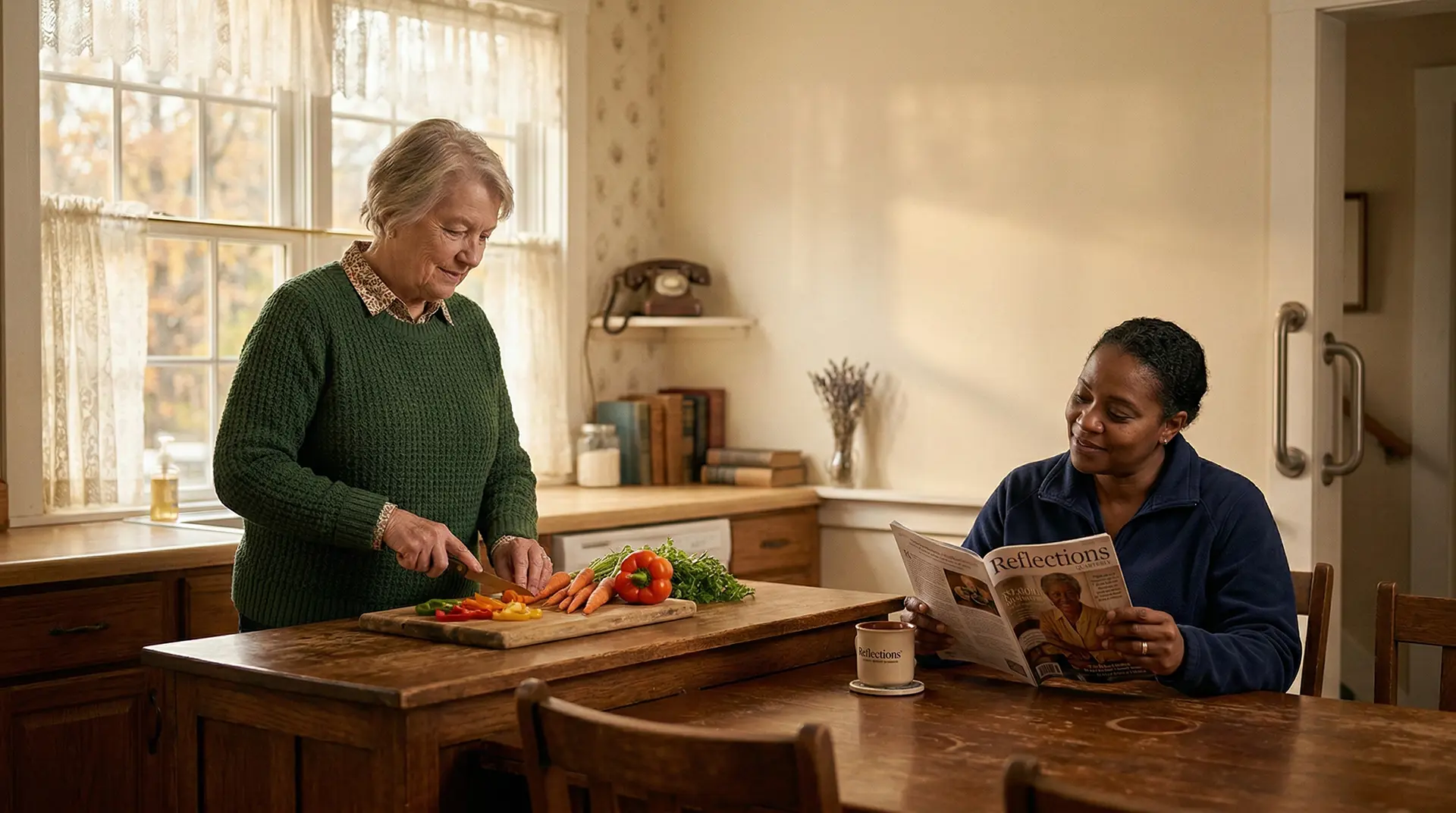

When families hire a private caregiver, the focus is almost always on the person receiving care. Will they be safe? Will they be comfortable? Will the caregiver be reliable and compassionate?
Those are exactly the right questions. But there’s another side of the equation that deserves attention too: the ethical responsibility that comes with hiring someone to do this kind of work.
Private caregiving is uniquely personal. Someone is coming into your family’s home, spending intimate time with your loved one, handling tasks that require trust and skill. The way you structure that arrangement, how you pay, what protections are in place, how you treat the person doing the work, says something about your family’s values. And it also directly affects the quality of care your loved one receives.
Fair Compensation Matters
Caregiving is demanding, physically and emotionally. A caregiver who bathes, dresses, and transfers your parent, manages medication reminders, prepares meals, and provides companionship for eight hours is doing skilled, exhausting work.
Fair pay isn’t just the right thing to do. It’s also practical. Caregivers who feel valued and fairly compensated are more likely to stay, to show up consistently, and to go above and beyond. Underpaying creates turnover, and turnover creates exactly the kind of instability your loved one doesn’t need.
Research the going rates in your area. In Central New York, pay for companion care and personal care varies, but knowing the market rate helps you set a fair arrangement from the start. Asking someone to accept significantly below market rate puts the arrangement at risk before it even begins.
Background Checks and Screening
When someone works in your parent’s home, they have access to vulnerable people and personal spaces. A proper background check isn’t optional, it’s essential.
This includes criminal background checks, reference verification, and confirming any relevant certifications or training. It’s one of the most straightforward steps you can take to protect your loved one, and it should happen before care begins, not after.
Some families skip this step when they hire someone through word of mouth or a personal recommendation. Even in those cases, a background check provides an important layer of protection. Trust your instincts, but verify.
The Risks of Informal Arrangements
It’s tempting to keep things simple. A neighbor’s daughter needs work. A friend knows someone who does caregiving on the side. You agree on a cash arrangement and skip the paperwork.
The problem is that informal arrangements offer no protection for either side. If the caregiver is injured in your parent’s home, there’s no workers’ compensation. If something goes wrong with care, there’s no documentation. If the arrangement ends badly, there’s no recourse.
Beyond the legal exposure, informal arrangements also tend to lack clarity. Without a written understanding of responsibilities, hours, and pay, misunderstandings are almost inevitable.
This is one of the key advantages of working through a home care registry rather than hiring independently. A registry handles the screening, documentation, and structure that protect both the family and the caregiver.
Respecting Boundaries and Professionalism
Caregivers are professionals, not extended family members. While the relationship naturally becomes warm over time, it’s important to maintain appropriate boundaries.
That means respecting their time. If you agreed to a four-hour shift, don’t routinely expect five without adjusting compensation. It means communicating clearly about expectations and changes. And it means treating them as a valued member of your loved one’s care team, not as a convenience.
Caregivers who feel respected and treated professionally provide better care. It’s that simple.
What Happens When Things Change
Care needs evolve, and the arrangement should evolve with them. If your loved one’s condition changes, be transparent with the caregiver about what that means for their role. Is the workload increasing? Are new skills required? Does the compensation need to be adjusted?
Having these conversations openly, rather than gradually expecting more without acknowledging it, preserves the relationship and ensures your loved one continues to receive appropriate care.
Related reading: What Families Often Overlook When Arranging Home Care
Why a Registry Makes a Difference
A home care registry like Reflections handles many of these ethical considerations as part of the process. Caregivers are screened and vetted. Compensation expectations are clear. There’s a structure in place that protects both families and caregivers.
This doesn’t mean families are off the hook when it comes to being ethical employers. But it does mean you’re starting from a foundation of professionalism and accountability, rather than making it up as you go.
At the Reflections Home Care Registry, we believe that good care starts with good working relationships. When caregivers are treated well, families get better outcomes. It’s not complicated, but it does require intention. Let’s talk about quality elder care.
For families navigating the broader care landscape, Reflections Management and Care can help coordinate all the pieces, from hiring the right caregiver to managing the ongoing care plan.