
Most families come into home care with a set of expectations, some realistic, some not. That’s completely normal. If you’ve never done this before, how would you know what to expect?
But the gap between expectations and reality is where frustration tends to build. Understanding what actually surprises families, based on the patterns we see consistently, can help you avoid the most common stumbling blocks and set the arrangement up to succeed from the start.
The Relationship Matters More Than the Résumé
This is probably the biggest surprise. Families spend a lot of time evaluating qualifications, experience, and references, which they should. But the thing that determines whether an arrangement lasts isn’t the caregiver’s credentials. It’s the relationship they build with the person receiving care.
A caregiver with ten years of experience and perfect references can still be a poor match if the personalities don’t click. And a caregiver who’s newer but warm, patient, and naturally curious about your loved one’s life can become an essential part of their world within weeks.
Chemistry matters. Pay attention to how your loved one responds to the caregiver, not just how the caregiver performs tasks.
Related reading: What to Expect in the First 30 Days of Home Care
Your Loved One Will Probably Resist at First
Even families who expect some resistance are often surprised by how strong it can be. A parent who agreed to try home care may refuse to engage with the caregiver, complain to other family members, or insist they don’t need anyone.
This is almost always about fear and pride, not about the caregiver. Your parent is adjusting to a new reality, one that involves someone else being present in their private space. That’s a significant psychological shift.
The good news: in the vast majority of cases, resistance fades over time. The caregiver who was initially unwelcome becomes someone your parent looks forward to seeing. Patience and consistency are the keys to getting through this phase.
Related reading: How to Talk to a Parent Who Resists Help
You’ll Learn Things You Didn’t Know
Once a caregiver is regularly in the home, information starts surfacing that the family didn’t have before. Your parent isn’t eating as well as they said. They’re having more difficulty on the stairs than they admitted. There are expired medications in the cabinet. The bathroom shows signs of accidents that nobody mentioned.
This can be unsettling. But it’s also one of the most valuable aspects of having someone there regularly. You can’t address what you don’t know about, and a good caregiver gives you the full picture.
It’s Not Just About Tasks
Families often frame home care in terms of tasks: someone to help with meals, someone to drive to appointments, someone to assist with bathing. Those are real and important needs.
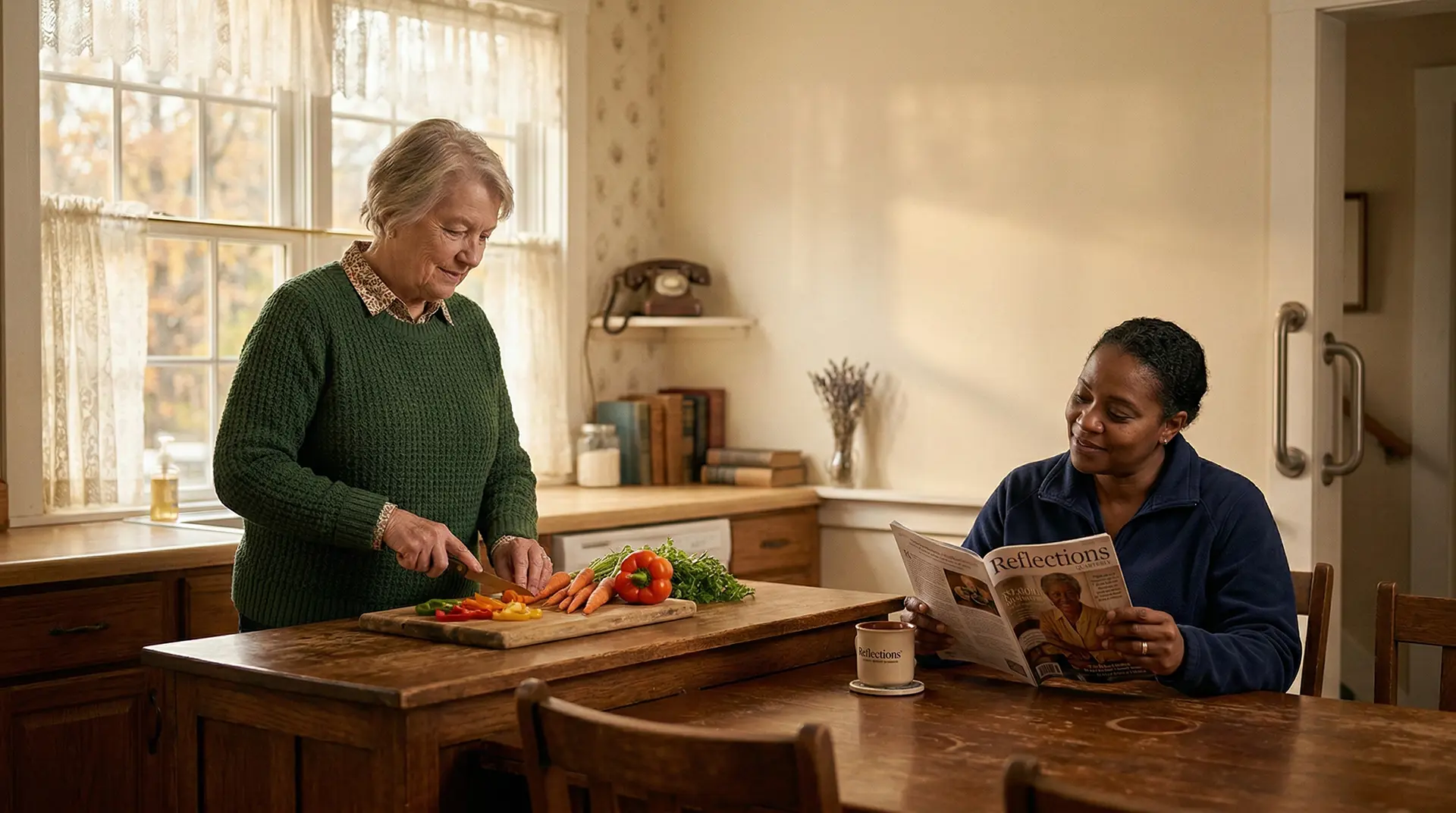
But what often ends up mattering most is the companionship. The conversation over morning coffee. The shared laughter over an old photo album. The calm, reassuring presence of someone who genuinely cares.
For older adults who are isolated, which is many of them, the social connection a caregiver provides can have as much impact on their wellbeing as any medical treatment.
Needs Will Change Faster Than You Expect
Families often plan for the current situation and assume it will hold steady for a while. In reality, needs can shift significantly in a matter of months, sometimes weeks.
A parent who needed only companion care may develop a condition that requires personal care. Hours that seemed sufficient at first may need to increase. A caregiver who was a great match for the original situation may not have the skills for the evolving one.
Building flexibility into the arrangement from the start, understanding that adjustments are normal, not failures, helps families navigate these shifts without feeling like they’re starting over.
Related reading: What Families Often Overlook When Arranging Home Care
The Family Dynamic Shifts Too
Home care doesn’t just change things for the person receiving care. It changes the dynamic for the whole family. The sibling who was doing everything may feel both relieved and displaced. The parent may confide in the caregiver about things they haven’t shared with their children. Family members may disagree about whether the arrangement is working.
These shifts are normal and manageable, but they catch families off guard when they’re not expected. The best approach is to stay communicative, check in regularly with each other, and remember that the goal is your loved one’s wellbeing.
What Helps
Set realistic expectations from the start. Perfection isn’t the goal. Safety, comfort, and connection are.
Communicate openly, with the caregiver and with each other. Most problems that seem like deal-breakers are actually communication problems in disguise.
Give it time. The first month is a transition for everyone. Don’t make permanent judgments based on temporary discomfort.
The Reflections Home Care Registry supports families through all of this, not just the matching process, but the ongoing relationship. We help you navigate the surprises so they don’t derail the arrangement.
For families managing complex or changing care situations, Reflections Management and Care provides the coordination and guidance that keeps everything on track.